Kashmir is known for many things. There are some products and crafts in Kashmir that, if properly modernized and globalized, can contribute to the national economy towards Viksit Bharat. Made in Kashmir needs to be marked as a trademark on all Kashmiri-based products. People outside have a deep alignment, affection, and attraction for some prominent products.
All these prominent products should be given the prominence to stride towards Viksit Bharat (Developed India). The ‘Made in India’ initiative can draw immense strength and inspiration from Kashmir’s traditional crafts, which have the potential to contribute significantly at both national and international levels.
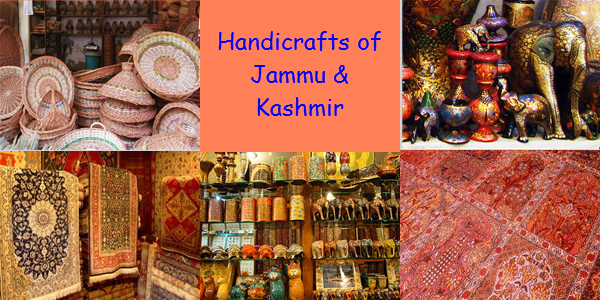
Handicrafts, a century-old tradition, are one of the finest aspects of Kashmiri handmade and Kashmiri-made products, with influence around the world. They represent the spirit of Kashmiri identity. Handicrafts and handmade fabrics include the illustrious Kani-Shawl, Paper Maachie, Khatamband, Carpet-weaving, Wood Carving, Kandikari Copperware, and Tillawork. These crafts embody not just the skill and creativity of Kashmiri artisans but also the ethos and history of the region, and they can contribute towards Viksit Bharat 2047.
The Pashmina Shawl is Kashmir’s luxurious legacy and one of its most globally celebrated products. It is a luxurious garment made from the ultra-fine wool of the Chyangra goat found in the high Himalayas. The wool, known as cashmere, is prized for its softness, warmth, and elegance. Skilled artisans painstakingly spin the delicate fibers, often less than 17 microns in diameter, by hand, producing yarns that are woven into exquisite shawls.
The Pashmina shawl has a rich history as a status symbol for royalty and elites across South Asia and beyond. Its unmatched craftsmanship and elegance continue to make it a coveted item worldwide. The emotional and cultural significance of gifting or receiving a Pashmina shawl reflects Kashmir’s profound contribution to luxury textiles.
Kashmir is well known for its Pashmina, which needs to be flourished with new technological advancements. The Karighars (technicians) should receive the latest training and workshops to improve their skills through the exchange of ideas with different countries. Pashmina, the gift of Kashmir, has been highly reputed globally. It is made in Kashmir and needs global recognition.
Khatamband, the Artistic Crown of Kashmiri Architecture, is another jewel in Kashmir’s handicraft legacy. It is a unique wooden ceiling decoration crafted primarily from Himalayan fir wood. The artisans, known as Najjars, carve intricate geometric patterns and affix these wooden tiles solely by hand, without nails or glue, creating breathtaking ceilings that adorn mosques, shrines, and wealthy homes.
Khatamband is not only a craft but also an expression of reverence and spirituality, often enhancing the sanctity of religious sites. With the growing middle class in Kashmir and across India, Khatamband has tremendous potential to expand economically, generate employment, and contribute to cultural preservation.
Dating back to the 14th century, Paper Maachie is a labor-intensive art form made from an amalgam of discarded paper, rice straw, copper sulfate, and cloth. This mixture is processed into pulp, molded, dried, and then intricately designed with vibrant colors and motifs depicting flowers, animals, and religious symbols.
Paper Maachie products range from decorative bowls and vases to pen cases and puppets, and have been prized by tourists and collectors alike. Though demand has waned recently, the craft’s historical significance and refined artistry call for renewed efforts to protect and institutionalize it, ensuring the livelihood of artisans and the preservation of this delicate art.
Beyond these flagship crafts, Kashmir is home to a rich array of other artisanal traditions, including Sozni and Panjkari embroidery, delicate hand embroidery that embellishes shawls, gowns, and home textiles; carpet weaving, renowned globally for intricate floral and geometric designs; wood carving, featuring detailed walnut wood craftsmanship used in furniture and decorative items.
Kandikari copperware, consisting of hand-hammered copper utensils and ornaments; and Tillawork, fine embroidery with gold and silver threads popular for ceremonial garments. Each of these crafts carries immense cultural and economic potential, contributing significantly to Kashmir’s identity and India’s craft ecosystem.
The “Made in India” initiative aims to promote indigenous industries and crafts on the global stage, fostering economic growth and self-reliance. Kashmir’s handicrafts perfectly align with this vision, offering products that showcase India’s rich cultural heritage and artisanal expertise.
At the national level, promoting Kashmiri crafts can empower local artisans, uplift rural economies, and generate employment. Internationally, these crafts hold strong appeal in luxury markets, among art collectors, and cultural enthusiasts, enhancing India’s soft power and economic footprint.
